
The Role of Education in Building Confident and Independent Children
Education is much more than learning to read, write, or solve mathematical problems. It is a powerful tool that helps children understand the world, discover their abilities, make informed decisions, and develop the confidence to express themselves. Navvkhush Helping Foundation believes that every child deserves access to meaningful educational opportunities and the support needed to grow with confidence and independence. Through education-focused initiatives and community support, we aim to help children develop the knowledge, skills, and self-belief they need to build a brighter future.
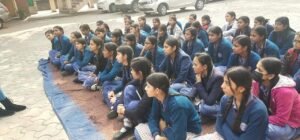
Education Builds Self-Confidence
One of the most important ways education helps children is by building self-confidence. Every new skill a child learns can create a sense of achievement.
Whether a child successfully reads a paragraph, solves a difficult problem, participates in a school activity, or presents an idea in front of classmates, these experiences teach an important lesson: “I can do this.”
A supportive educational environment allows children to make mistakes, learn from them, and try again. Over time, these experiences can help children become more comfortable expressing their thoughts and taking on new challenges.

Education Encourages Independent Thinking
Education should not only provide children with information; it should teach them how to think.
Through classroom discussions, projects, activities, and problem-solving exercises, children learn to ask questions, examine different ideas, and reach their own conclusions. These skills help them become thoughtful decision-makers.
Independent thinking can be useful in everyday situations as well. A child who learns to evaluate information and consider different possibilities can gradually become more capable of making responsible choices.
Education Helps Children Discover Their Potential
Every child has different interests, abilities, and dreams. Education gives children opportunities to explore these possibilities.
A child may discover an interest in science, art, sports, technology, literature, or social work. Teachers and educational activities can help children recognize their strengths and develop them further.
When children understand what they enjoy and what they are capable of doing, they can begin to develop meaningful goals for the future.
Education Develops Communication Skills
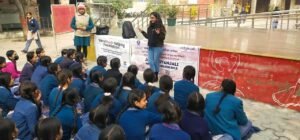
Confidence and independence are closely connected with the ability to communicate.
Schools provide children with opportunities to speak, listen, read, write, ask questions, and work with others. Activities such as presentations, group discussions, storytelling, and teamwork can help children express themselves more effectively.
Strong communication skills can help children participate actively in their communities and, later in life, in higher education and the workplace.
Education Teaches Children to Solve Problems
Life presents challenges at every stage. Education can prepare children to approach problems calmly and logically.
For example, when students work on a project or try to solve a difficult question, they learn to:
- Understand the problem
- Think about possible solutions
- Try different approaches
- Learn from mistakes
- Improve their approach
These habits can become valuable life skills. Instead of immediately depending on someone else, children can gradually learn to explore solutions themselves.
Education Creates Opportunities for the Future
Quality education can expand a child’s future possibilities. It can provide foundational knowledge and skills needed for further education, vocational training, employment, and entrepreneurship.
For children growing up in communities where educational opportunities may be limited, consistent access to learning can be an important step toward creating new possibilities.
Education does not guarantee a particular career or outcome, but it can give children important tools to pursue their goals.
The Importance of a Supportive Learning Environment
Education becomes more effective when children feel safe, respected, and encouraged.
Teachers, parents, community members, NGOs, and volunteers can all contribute to creating a positive learning environment. Children benefit when adults listen to them, appreciate their efforts, and encourage them to keep learning.
Support does not mean expecting children to be perfect. Instead, it means giving them the opportunity to learn at their own pace and helping them overcome difficulties.
How NGOs Can Support Child Education