Food Donation in India: Why Supporting Families and Children’s Nutrition Matters in 2026
Share Food. Spread Kindness. Support a Healthier Community.
Food is one of the most basic human needs. A nutritious meal provides energy, supports health and helps people carry out their daily activities. For children, adequate nutrition is particularly important for physical growth, concentration and overall development.
However, not every family has reliable access to sufficient and nutritious food.
Financial difficulties, unemployment, unexpected emergencies and rising household expenses can make it challenging for vulnerable families to meet their daily nutritional needs.
This is why food donation in India continues to be an important form of community support.
Food distribution initiatives can provide timely assistance to families facing difficulties while encouraging compassion, social responsibility and collective participation.
At NavvKhush Helping Foundation, we believe that sharing food is a meaningful way to demonstrate care for others. Through our food contribution initiatives, we aim to support children and families in need and encourage greater community participation.
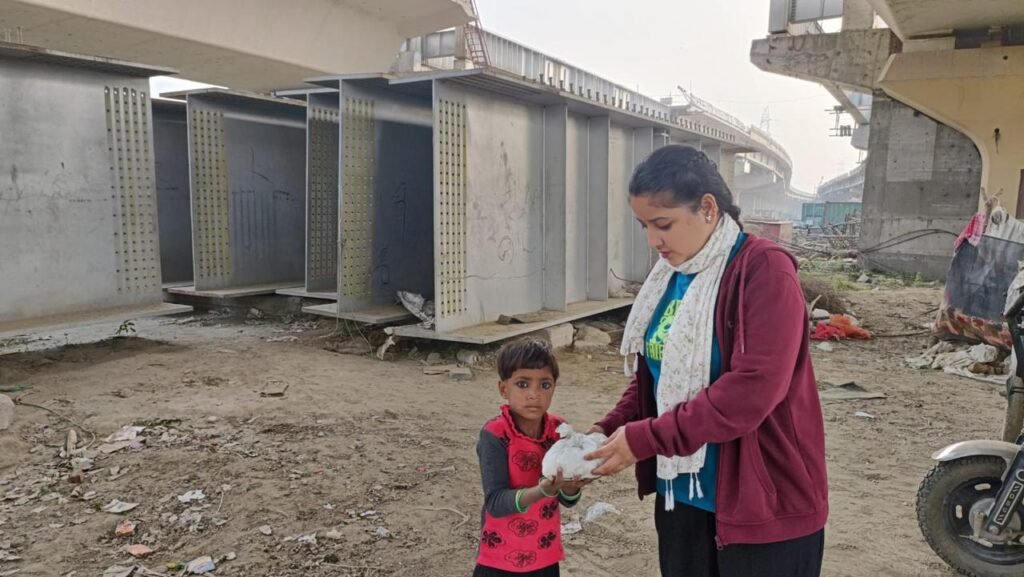
1. Why Food Support Remains Important in India in 2026
India has introduced several programmes to strengthen nutrition, food security and community welfare.
In September 2026, the Ministry of Women and Child Development launched the ninth Rashtriya Poshan Maah, emphasising dietary diversity, adequate protein intake and fresh, cooked meals.
The campaign highlighted the importance of community involvement in improving nutrition.
Government programmes such as Mission Saksham Anganwadi and Poshan 2.0 also focus on improving nutritional outcomes among young children, pregnant women, lactating mothers and other eligible groups.
These initiatives demonstrate that nutrition remains an important national development priority.
However, government programmes and community-led support serve different but complementary purposes.
Public programmes provide structured assistance, while local NGOs, volunteers and community organisations can help respond to additional needs and immediate difficulties.
Food donation activities are particularly meaningful when they are organised responsibly, consider nutritional requirements and respect the dignity of recipients.
By supporting well-planned food distribution programmes, individuals and organisations can contribute towards stronger and more caring communities.
2. Understanding Food Insecurity and Its Impact on Families
Food insecurity occurs when people do not have reliable access to sufficient, safe and nutritious food for an active and healthy life.
It is not always limited to complete food shortages.
A family may have enough food on some days but struggle to maintain a balanced diet throughout the month.
Others may depend on inexpensive foods that provide energy but lack important nutrients.
Financial instability can make these challenges more difficult.
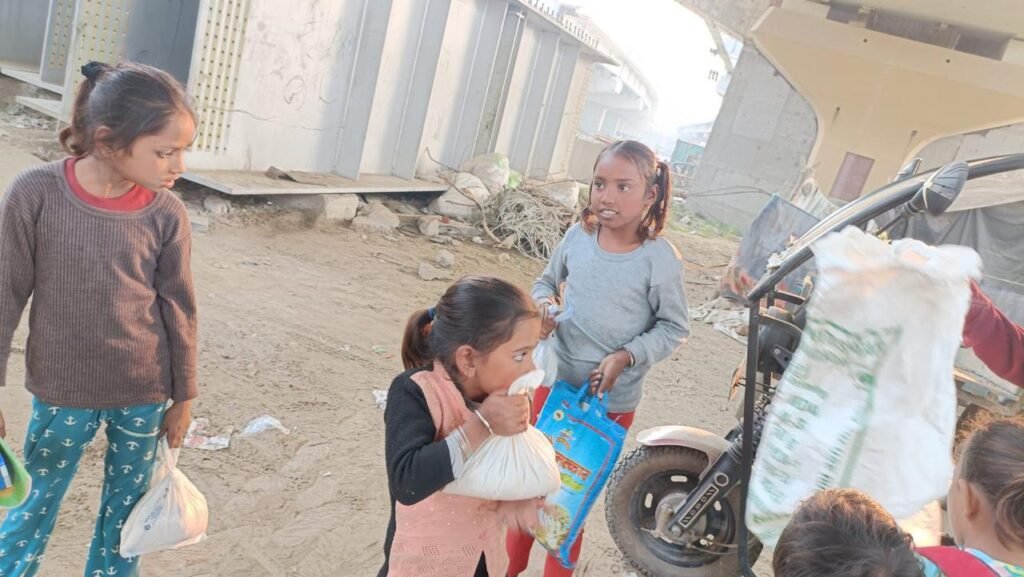
Limited Household Income
Families with irregular earnings may struggle to balance expenses such as rent, transportation, education, healthcare and groceries.
When income becomes uncertain, food quality and dietary variety may be affected.
Unexpected Emergencies
Illness, job loss, natural disasters and other emergencies can place sudden pressure on household finances.
During such periods, temporary food assistance may provide important relief.
Lack of Nutritional Awareness
Some families may also benefit from information about affordable, balanced meals, safe food preparation and age-appropriate nutrition.
Challenges Faced by Vulnerable Communities
People experiencing homelessness, elderly individuals without adequate support and families facing financial hardship may require additional assistance.
Understanding these different circumstances helps organisations design food distribution activities that respond to genuine needs.
3. Why Nutritious Food Is Essential for Children’s Development
Childhood is an important period of physical, emotional and cognitive development.
Adequate nutrition supports normal growth, immune function and the development of essential abilities.
Children require a balanced intake of energy, protein, vitamins and minerals appropriate to their age.
Supports Physical Growth
Nutritious food provides essential nutrients needed for normal growth and development.
A varied diet may include grains, pulses, vegetables, fruits, dairy products or suitable alternatives, depending on dietary needs and availability.
Supports Learning and Concentration
Children who experience hunger may find it difficult to concentrate during educational activities.
Regular access to appropriate meals can support their ability to participate in school and daily routines.
Encourages Better Health
Balanced nutrition is important for normal immune function and overall well-being.
Food support should therefore consider nutritional quality rather than focusing only on the number of meals distributed.
Promotes Healthy Habits
Nutrition awareness can help families understand the importance of dietary variety, food hygiene and safe drinking water.
By supporting food distribution and awareness activities, communities can contribute towards healthier childhood experiences.
4. How Food Donation Can Make a Meaningful Difference
Food donation is an act of sharing resources with people who may be experiencing difficulty.
Its immediate purpose is to help address food-related needs, but thoughtful initiatives can offer additional community benefits.
Providing Timely Assistance
Food distribution can help families manage short-term difficulties, especially during emergencies or periods of financial stress.
Reducing Immediate Household Pressure
Receiving food assistance may allow families to direct limited resources towards other essential expenses.
Encouraging Community Participation
Food donation activities bring together volunteers, donors, local organisations and community members.
Promoting Compassion and Responsibility
Participation can encourage people to recognise the challenges faced by others and contribute towards practical solutions.
Building Stronger Community Connections
Respectful and consistent engagement can help strengthen relationships between organisations and the communities they support.
The effectiveness of a food donation initiative depends on planning, food quality, safe handling and an understanding of recipients’ needs.
5. The Role of NGOs in Food Distribution
Non-governmental organisations can play an important role in connecting community support with people who need assistance.
A responsible food distribution programme generally involves several stages.
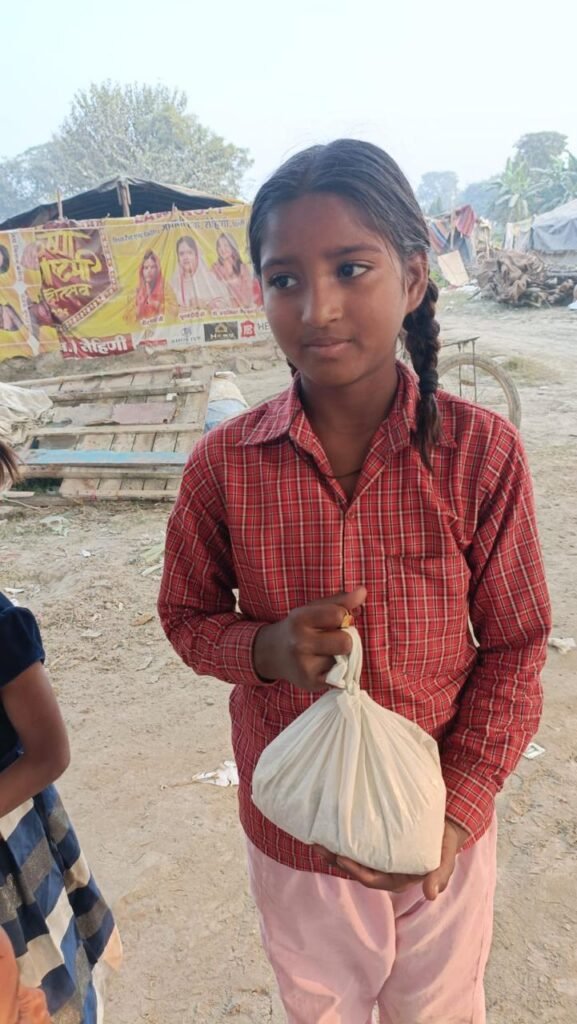
Identifying Community Needs
Understanding local conditions helps organisations determine the type of food assistance that may be useful.
Different communities may require freshly prepared meals, dry ration supplies or emergency food packages.
Planning Distribution Activities
Proper planning includes estimating requirements, arranging resources, coordinating volunteers and identifying suitable distribution locations.
Maintaining Food Safety
Food should be prepared, stored, transported and distributed under appropriate hygienic conditions.
Perishable food requires particular attention to storage temperatures and distribution timing.
Respecting Beneficiary Dignity
Food assistance should be provided without discrimination, unnecessary publicity or pressure on recipients.
People receiving support should be treated with respect.
Reviewing Programme Outcomes
Organisations can improve their initiatives by documenting activities, gathering feedback and understanding remaining community needs.
These practices help make food distribution more organised, responsible and meaningful.
6. How NavvKhush Helping Foundation Encourages Food Support
NavvKhush Helping Foundation is committed to supporting community welfare through education, food contribution and other social initiatives.
Our Food Contribution initiative aims to encourage individuals and organisations to participate in providing meals to children and families facing difficulties.
We believe that sharing food represents more than a charitable activity. It reflects the importance of empathy, dignity and community responsibility.
Through our donation-focused initiatives, we encourage supporters to contribute towards meaningful assistance.
Our website also highlights other causes, including education support and birthday celebrations with children.
These activities provide different opportunities for individuals to participate according to their interests and resources.
Food contribution is an important part of this wider commitment to community welfare.
We aim to encourage a culture where helping others becomes a shared responsibility rather than an occasional activity.
Supporters can explore our website to learn about our programmes, view available activity updates and understand how they can participate.
7. How Food Support and Child Education Are Connected
Education and nutrition are closely connected aspects of children’s development.
A child needs both learning opportunities and appropriate nourishment to support healthy growth.
Hunger can affect attention, energy levels and participation in everyday activities.
For families experiencing financial difficulties, food-related concerns may also create stress that affects household routines.
This is why community development initiatives can benefit from considering education, nutrition and well-being together.
Better Conditions for Learning
Access to regular, nutritious meals can help children participate more comfortably in educational activities.
Reduced Household Stress
Temporary food assistance may help families manage immediate needs during difficult periods.
Support for Overall Development
Children benefit from environments where their physical, emotional and educational needs receive attention.
Stronger Community Awareness
When communities understand the relationship between food, health and education, they can make more informed decisions about supporting vulnerable children.
NavvKhush Helping Foundation’s focus on both education support and food contribution reflects the importance of addressing interconnected community needs.
8. Five Ways Individuals and Organisations Can Support Food Donation
Supporting food distribution does not always require organising a large campaign.
There are several practical ways to participate.
1. Make a Financial Contribution
Donations can help organisations arrange food supplies and plan distribution activities based on identified requirements.
2. Support Community Meal Initiatives
Individuals and groups can contribute towards organised meal distribution programmes.
3. Volunteer for Food Distribution
Volunteers may assist with packing, organising materials, coordinating activities and distributing meals under appropriate supervision.
4. Encourage Corporate Participation
Businesses can explore partnerships with NGOs for employee volunteering, community welfare activities and eligible CSR initiatives.
5. Spread Awareness About Responsible Food Giving
Encourage others to support trustworthy initiatives and understand the importance of safe, nutritious and respectful food distribution.
Each contribution can help strengthen collective efforts towards community welfare.
9. Why Responsible Food Donation Matters
While generosity is important, food donation must also be safe, thoughtful and appropriate.
Poorly planned distribution can lead to food waste, hygiene concerns or supplies that do not match community requirements.
Responsible food giving begins with understanding what people actually need.
Organisations should consider food quality, nutritional suitability, preparation conditions and distribution arrangements.
For example, freshly cooked meals should be handled carefully to minimise contamination risks.
Packaged food should be checked for expiry dates and appropriate storage requirements.
It is also important to avoid distributing food that is damaged, unsafe or unsuitable for consumption.
Donors who wish to contribute physical food items should first coordinate with the receiving organisation.
This helps prevent unnecessary waste and allows resources to be directed towards genuine requirements.
The goal of food donation should be meaningful assistance, not simply the distribution of the largest possible quantity.
When planned responsibly, food support can become a more effective and dignified form of community service.
10. How Businesses Can Participate in Community Food Support
Businesses have opportunities to contribute to social welfare beyond their regular commercial activities.
Corporate teams can explore food support initiatives as part of broader employee engagement or community development programmes.
Participation may involve financial contributions, volunteering, resource coordination or partnerships with eligible organisations.
Such activities can also encourage employees to understand local social challenges and participate in constructive community efforts.
For companies considering CSR expenditure, relevant legal eligibility and compliance requirements should be reviewed before committing funds.
Partnerships should establish clear objectives, responsibilities, documentation and reporting expectations.
Businesses can also consider supporting education, nutrition awareness and community health initiatives together.
A thoughtful approach helps ensure that social responsibility activities respond to community needs rather than becoming one-time publicity exercises.
At NavvKhush Helping Foundation, we welcome interest from individuals and organisations who wish to explore meaningful ways of supporting our mission.
11. The Importance of Transparency in NGO Donations
Trust plays an important role in charitable giving.
Before contributing to an organisation, donors should understand its purpose, activities and available information about how donations are used.
A transparent NGO website can help supporters make informed decisions.
Useful information may include organisational registration details, programme descriptions, activity photographs, reports and official contact information.
Donors should also verify payment details and use official contribution channels.
Where applicable, organisations should provide donation acknowledgements and information about available tax benefits.
However, tax deductions should never be assumed without verifying the organisation’s current eligibility and the donor’s circumstances.
At NavvKhush Helping Foundation, we encourage visitors to explore our initiatives and available organisational information before contributing.
Responsible giving helps build stronger relationships between donors, organisations and communities.
12. Why Community Participation Is Essential for Long-Term Change
Food insecurity is a complex challenge influenced by income, employment, health, access to resources and wider social conditions.
Food donation alone cannot resolve all these underlying issues.
However, it can provide valuable immediate assistance while encouraging broader community engagement.
Long-term progress requires cooperation among public institutions, community organisations, businesses, volunteers and local residents.
Awareness programmes can encourage better nutritional practices.
Education initiatives can help strengthen future opportunities.
Community welfare activities can provide assistance during difficult circumstances.
Together, these efforts can contribute towards more inclusive development.
When individuals participate consistently, they help create a culture of shared responsibility.
This collective approach is central to the mission of organisations working towards meaningful social change.
13. Frequently Asked Questions About Food Donation
Why is food donation important in India?
Food donation can provide timely assistance to people facing food insecurity or financial hardship. It also encourages community participation and responsible giving.
How can I donate food to poor families?
You can support an established food distribution NGO, contribute financially to a community meal programme or coordinate suitable food supplies with an organisation.
Can small donations support food distribution?
Yes. Contributions of different sizes can be combined to support programme requirements. The exact use and impact depend on the organisation’s distribution plans.
What is the role of an NGO in food distribution?
NGOs may identify community needs, arrange resources, coordinate volunteers and organise responsible food distribution activities.
Can I volunteer for food donation activities?
Many organisations offer volunteering opportunities depending on programme requirements. Contact the organisation directly to learn about current opportunities.
How can I support NavvKhush Helping Foundation’s food contribution initiative?
Visit the foundation’s official website, explore the Food Contribution cause and use the verified donation options provided.
Conclusion: Share a Meal, Share Hope, Make a Difference
Food is essential to health, dignity and everyday well-being.
For families experiencing financial difficulties, timely food assistance can offer meaningful support during challenging periods.
Responsible food donation initiatives also remind us of the importance of compassion, cooperation and community participation.
At NavvKhush Helping Foundation, we believe that positive change begins when people choose to care for one another.
Through food contribution, education support and other community initiatives, we aim to encourage meaningful participation in social welfare.
Every contribution represents an opportunity to support this shared mission.
Share Food. Spread Happiness. Support Families in Need.
Explore our Food Contribution initiative and join us in supporting communities through responsible giving.
DONATE FOR FOOD SUPPORT
Together, we can encourage a future where kindness, dignity and community care remain at the heart of meaningful change.